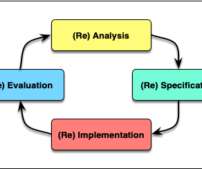
PDPP: An Evaluation Model For eLearning Courses
eLearning Industry
JUNE 30, 2021
Evaluation is a critical activity for any product or service. An eLearning module is not different in this respect. This post was first published on eLearning Industry.
 Evalution Related Topics
eLearning Industry
JUNE 30, 2021
Evaluation is a critical activity for any product or service. An eLearning module is not different in this respect. This post was first published on eLearning Industry.

Infopro Learning
DECEMBER 29, 2023
The ADDIE (Analyze, Design, Develop, Implement, and Evaluate) model, a framework for creating effective learning programs, has been a staple of instructional design for nearly five decades. AI-powered chatbots such as ChatGPT can offer immediate and tailored guidance to learners by evaluating their progress and achievements.
This site is protected by reCAPTCHA and the Google Privacy Policy and Terms of Service apply.

eLearning Industry
MARCH 22, 2019
Evaluation is the real test of any L&D methodology. This article suggests helpful tips to help organizations evaluate whether eLearning is having any effects on its employees or not. The same holds true for corporate eLearning or online training. This post was first published on eLearning Industry.
Clark Quinn
SEPTEMBER 7, 2021
I’ve argued before about the need for evaluation in our work. So I want to talk about iterating and evaluating our learning initiatives. We evaluate each iteration. So, iterating and evaluating should be your long term approach. The post Iterating and evaluating appeared first on Learnlets.

Advertisement
Compiled by industry experts, these questions will help to clarify your needs, prioritize your most essential features, and guide you through the evaluation process. This guide is your key to finding the ideal enterprise learning platform for your business. Don't sign on the dotted line until you download your copy of this essential guide!

Clark Quinn
JANUARY 24, 2023
So here are some thoughts on learners as learning evaluators. One alternative, occasionally seen, is to have the learner evaluate their response. There are positive benefits to this, as it gets learners to become self-evaluators. I think we can have learners as learning evaluators, if we support the process appropriately.
CommLab India
MARCH 29, 2024
Training evaluation provides a structured way to analyze the effectiveness of any training program, including those delivered online. Is the effort required to properly evaluate eLearning training worth the time and resources invested? This blog post aims to explore this question in detail.

Advertisement
The way we evaluate and develop talent is broken. As your team is searching for the right software, encourage them to evaluate partners by asking three questions: 1) Will the software make our talent process significantly more efficient?
Advertiser: ZoomInfo
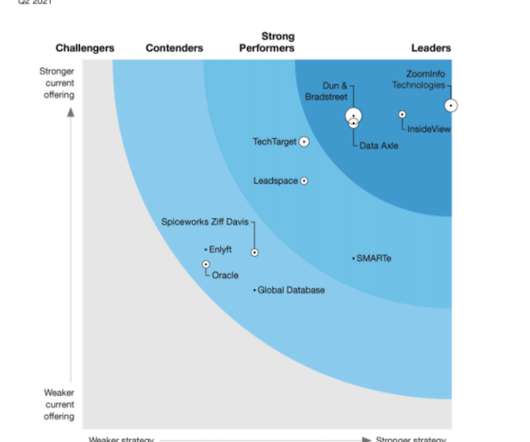
In our 24-criterion evaluation of B2B marketing data providers, we identified the 11 most significant vendors — Data Axle, Dun & Bradstreet, Enlyft, Global Database, InsideView, Leadspace, Oracle, SMARTe, Spiceworks Ziff Davis, TechTarget, and ZoomInfo Technologies — and researched, analyzed, and scored them.
Advertiser: ZoomInfo
In 2019, DiscoverOrg commissioned Forrester Consulting to evaluate sales and marketing intelligence practices in the B2B space. Fact: Only 8% of sales and marketing professionals say their data is between 91% - 100% accurate. The primary takeaway? Forrester found “only 1.2%

Speaker: Margie Meacham, Chief Freedom Officer of Learningtogo, LLC
A "Training Check-up" tool to help you evaluate the health of your current program and identify simple changes to increase engagement, accelerate performance, and keep learners happy and healthy. November 2nd, 2021 at 11:00 am PST, 2:00 pm EST, 6:00 pm GMT
Advertisement
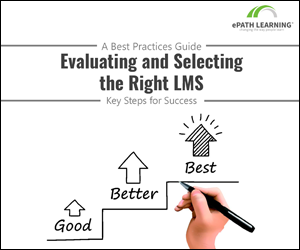
Evaluating and selecting the right LMS for your organization is no easy task. Follow this best practices guide, and make your evaluation and selection process that much easier. There are a plethora of LMSs available today, and no two LMSs are the same - not every system will meet your needs.
Advertiser: ZoomInfo
Many organizations fail to properly evaluate vendors during the selection process. Leveraging a data provider to help identify and connect with qualified prospects supports company revenue goals by alleviating common headaches associated with prospecting research and empowers sales productivity. So what’s the problem?

Advertisement
Many continuing adult education institutions have turned to the technology used by higher ed with the following benefits: Elevates teaching and learning. Scales to address changes in staffing, enrollment and budget. Protects student and institutional data.

Advertisement
The way we evaluate and develop talent is broken. As your team is searching for the right software, encourage them to evaluate partners by asking three questions: 1) Will the software make our talent process significantly more efficient?

Expert insights. Personalized for you.

 97
97 
























Let's personalize your content